

4 ECTS / 28 heures de cours (CM – TD – Présentation d’articles)

Thierry Giardina
L’UE Biotechnologies vertes et microbiologie alimentaire fait partie du Semestre 3 du Parcours Ingénierie et Biotechnologies Microbiennes.
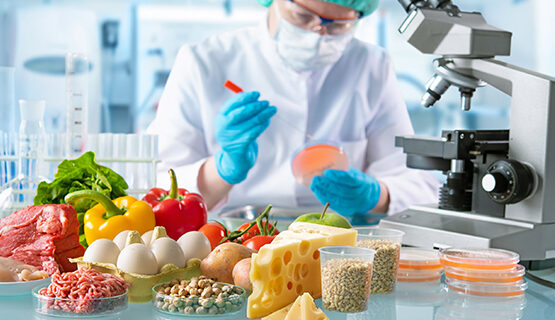
Ce cours traite des approches scientifiques développées actuellement par l’utilisation des microorganismes pour répondre aux enjeux alimentaires. Au travers de cours et d’études d’articles, les étudiants découvrent et comprennent comment l’acquisition de connaissances fondamentales, au niveau moléculaire et physiologique permet de développer des stratégies différentes selon la cible Homme/animal. L’utilisation de divers types de micro-organismes sera vue à travers l’étude des différentes fermentations (Panification, Écosystèmes microbiens fromagers, etc…) ainsi que leurs utilisation directe en tant qu’ « aliments » dans l’optique de répondre aux besoins d’additifs (Acides aminés, arômes, enzymes …)/Probiotiques et Prébiotiques.
The Green biotechnologies and food microbiology course is part of Semester 3 of the Parcours Ingénierie et Biotechnologies Microbiennes.
This course deals with the scientific approaches currently being developed for the use of microorganisms to address food issues. Through lectures and the study of articles, students will discover and understand how the acquisition of fundamental knowledge, at the molecular and physiological levels, enables the development of different strategies depending on the human/animal target. The use of various types of micro-organisms will be examined through the study of different fermentations (bread-making, cheese-making microbial ecosystems, etc.), as well as their direct use as “foods” to meet the needs of additives (amino acids, flavors, enzymes, etc.)/Probiotics and Prebiotics.
